Babies begin learning before birth, and the skills they develop in the earliest years form the foundation they can build on throughout their lives. To help Chicago families make the most of this window for early development, CEHD has established the Chicago Home Visiting Partnership Program. Partnering with parents to support their child’s early learning in this randomized controlled trial will benefit Chicago’s children while advancing the science on learning and skill development.
This project investigates the causes and nature of inequality and its persistence across generations. CEHD, in collaboration with researchers at the Rockwool Foundation and the University of Copenhagen, has accessed a rich array of longitudinal data on economic outcomes drawn from Denmark and the U.S. to analyze intergenerational inequality. This work is illuminating the mechanisms behind how parents’ resources and investments into their children, along with social influences, create opportunities for economic mobility.
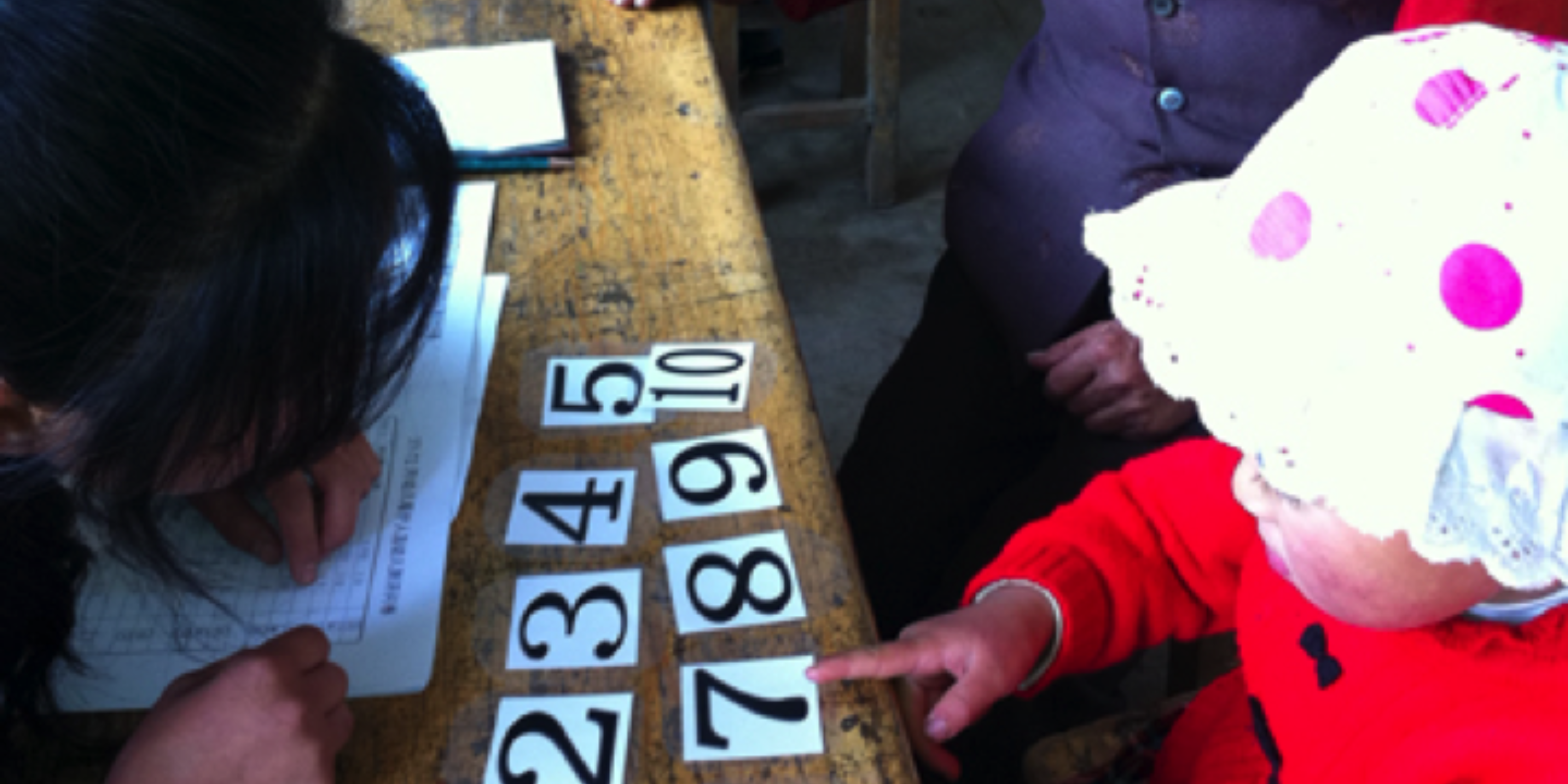
The Rural Education and Child Health project (China REACH) is a groundbreaking early childhood randomized control trial that is addressing the lack of research on early childhood interventions in developing economies. It evaluates the joint impact of China’s Children Nutrition Improvement Project in Poverty-stricken Areas (CNNIP) and the Jamaica Parenting and Psychosocial Stimulation Curriculum.
The Family, Fertility, and Human Development Initiative addresses global fertility decline through a multidisciplinary lens. While this phenomenon receives widespread attention, current analyses often remain confined within individual fields. The initiative features speaker series, workshops, and conferences in Chicago and Budapest, bringing together economists, sociologists, and demographers.
In a unique multidisciplinary research effort, CEHD is investigating the development of personality traits, executive function, and economic preferences and how these skills predict academic achievement and health outcomes.
Since 2007, the Heckman Equation strategic communications initiative has amplified Professor Heckman’s research with aims to direct public and private investment toward early childhood programs and innovations. The online resources provided at the Heckman Equation website and social media channels highlight the great gains to be had by investing in the early and equal development of human potential.
Founded in 2010, HCEO is a collaboration of over 500 researchers, educators and policy makers focused on human capital development and its impact on opportunity inequality. HCEO’s unique approach enables collaboration among scholars with varying disciplines, approaches, perspectives and fields. This means the integration of biological, sociological, and psychological perspectives into traditionally economic questions. The result is innovative thinking and approaches to inequality and human capital development research.